

Sansevieria Exporter Indonesia Triggers Massive Green Rush Among International Nurseries
NAWAPLANT.COM — The global indoor plant market is experiencing a massive shift. While mass produced generic green plants are flooding large retail chains, high net worth collectors and premium plant distributors are looking for something completely different.
They want resilience, striking mutation, and undeniable luxury. This specific demand has triggered a huge rush toward a specific volcanic archipelago in Southeast Asia.
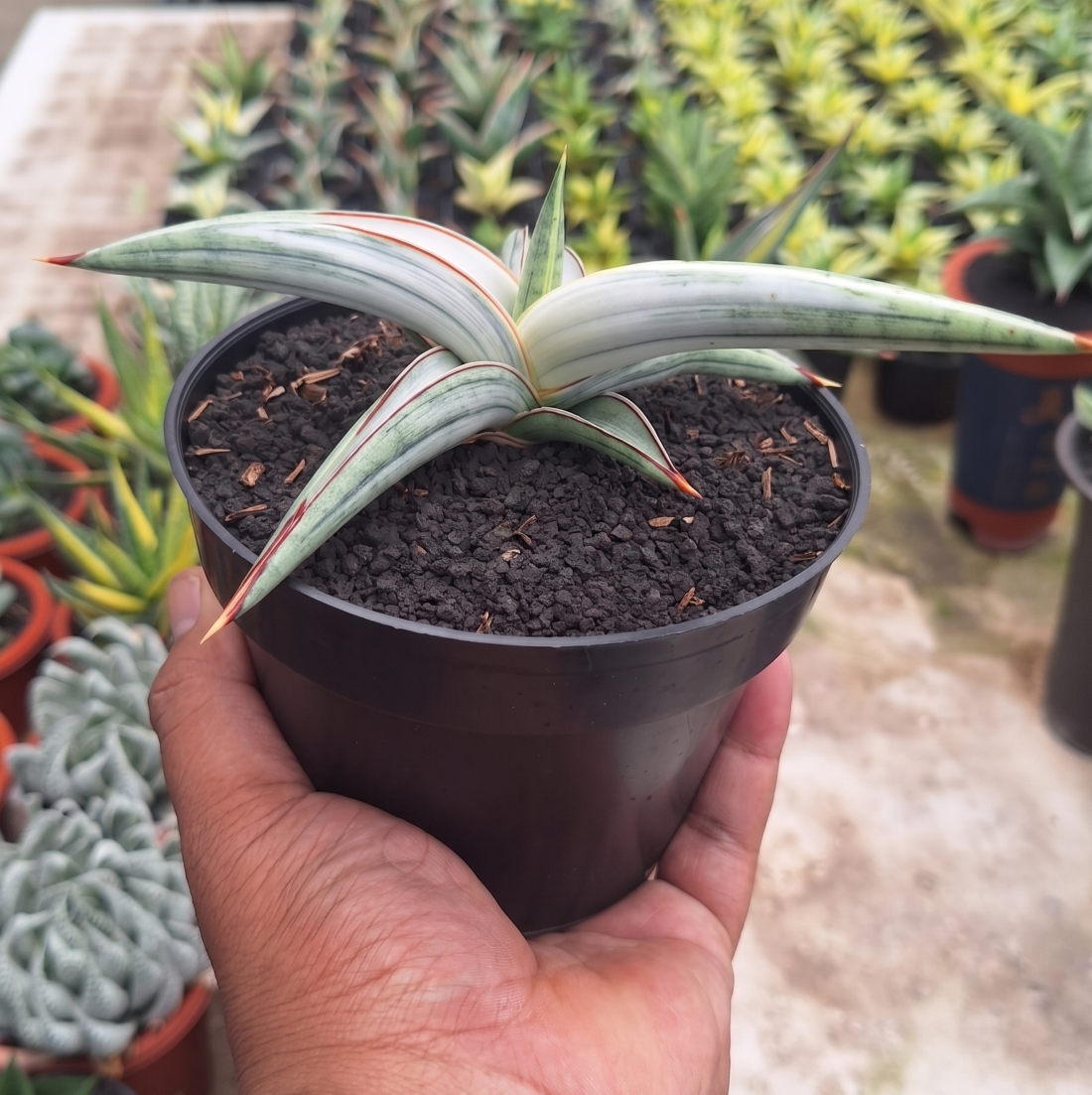
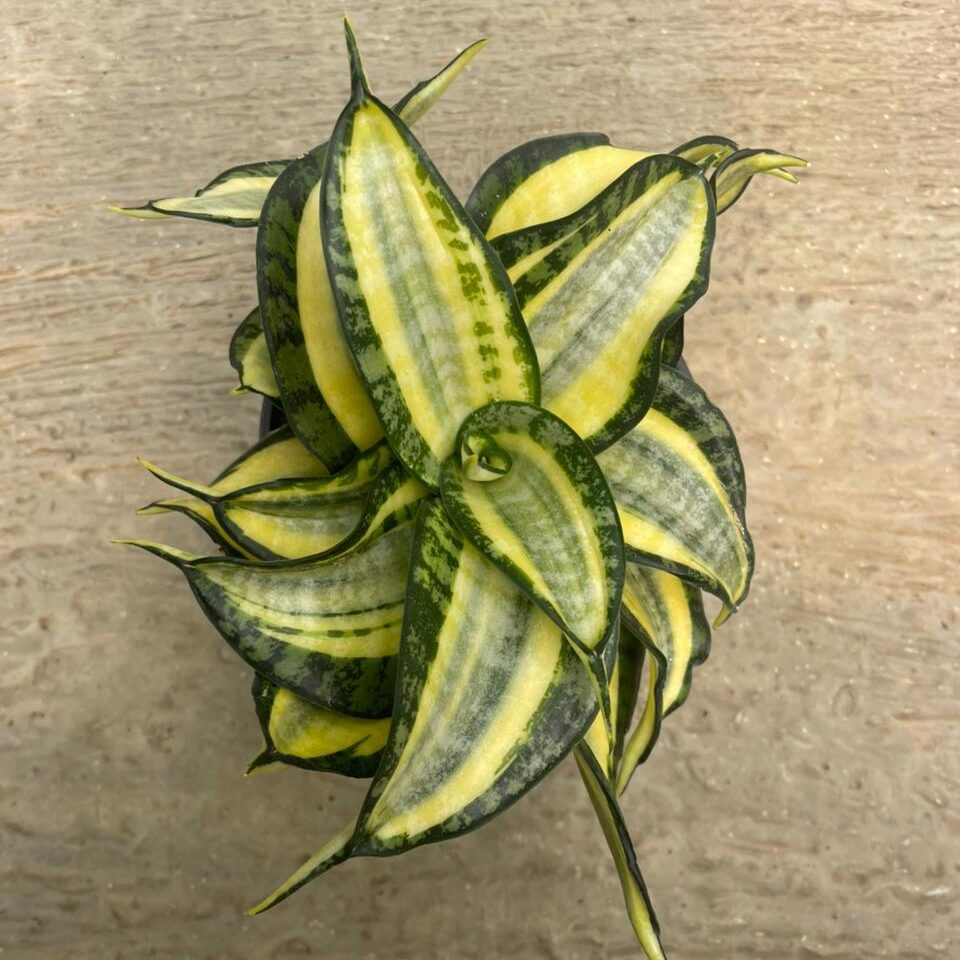
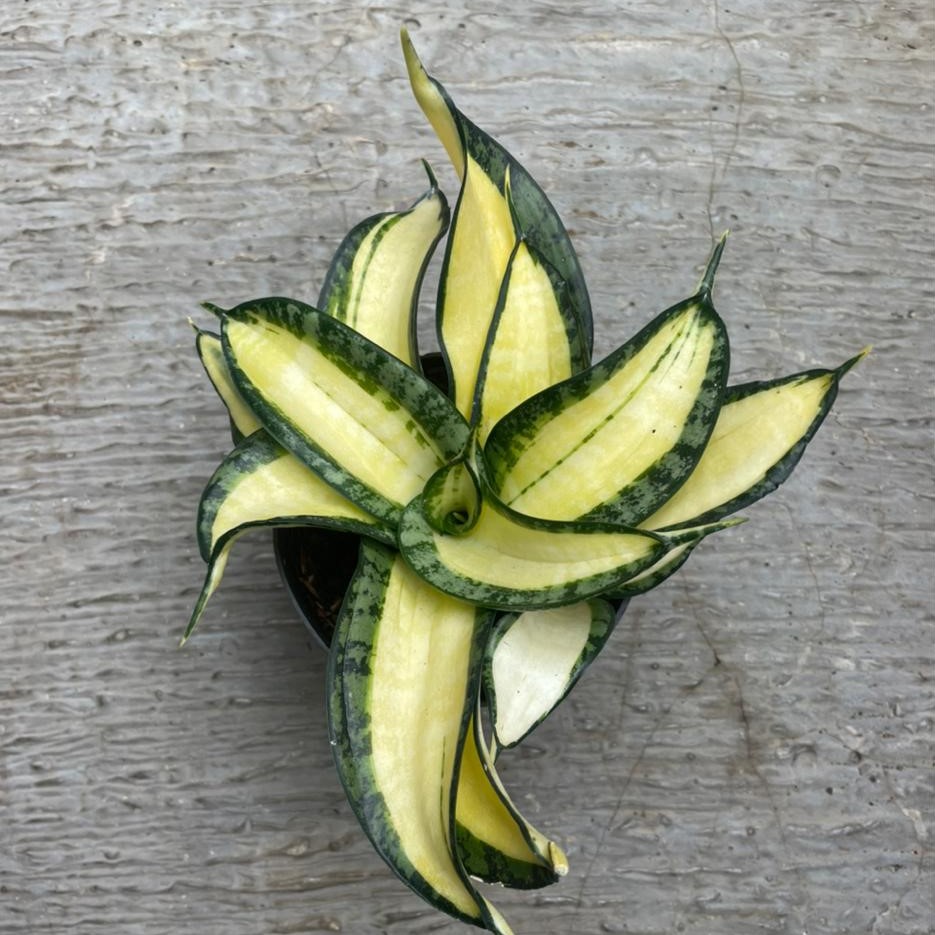
International nurseries have discovered that a premium Sansevieria exporter Indonesia can offer rare variegated cultivars that are virtually impossible to breed at scale anywhere else on earth.
Indonesia features a unique combination of rich volcanic soil, consistent tropical humidity, and highly advanced agricultural manipulation.
Because of these factors, the country has evolved from a standard ornamental supplier into the definitive global epicenter for high end snake plants.
If you are an international plant broker or business owner, importing standard stock is no longer enough to maintain healthy profit margins. Navigating this exotic market requires deep industry insight.
Why Global Nurseries are Ditching Standard Suppliers for an Indonesian Sansevieria Wholesaler
The modern consumer wants more than just a green leaf in a ceramic pot. They look for architectural statement pieces that require minimal care. This consumer behavior is exactly why major plant businesses are changing their supply chains.
Working directly with an Indonesian Sansevieria wholesaler allows global companies to bypass western middlemen and access a highly unique botanical inventory.
1. Unmatched Genetic Mutation Potential
Indonesian growers are global masters at cultivating stable variegation. The intense tropical sunlight causes striking yellow, cream, and white patterns on the leaves. These colorful mutations remain stable through long transit times, giving retail shops a highly profitable premium product.
2. Ideal Natural Growth Parameters
Industrial nurseries in temperate climates spend huge amounts of money on heating and artificial lighting.
Indonesian farms utilize natural tropical ecosystems. This natural advantage results in thicker cell walls, stronger root systems, and much higher resistance to common plant diseases.
3. Massive Cost Optimization Per Unit
Sourcing directly from the origin lowers the initial cost per unit. This price advantage allows international distributors to achieve substantial retail markups while offering highly competitive prices to their local markets.
4. Continuous Year Round Inventory Supply
Many global suppliers stop operations or reduce their inventory during freezing winter months. Indonesian producers operate in a continuous tropical summer, ensuring a steady flow of high quality plants throughout the entire calendar year.
The Secret Volcanic Advantage Behind Premium Sansevieria Cultivation in Indonesia
The exceptional quality of Indonesian flora is not a coincidence. It is the direct result of a highly specific geological reality. The country sits directly on the Pacific Ring of Fire, which provides an incredible natural advantage for high volume plant production.
-
Mineral Rich Volcanic Soil Matrix: The soil in key agricultural regions contains high levels of natural potassium, magnesium, and iron from ancient volcanic activity. This specific mix accelerates root development and deepens the natural contrast of snake plant patterns without relying on synthetic chemicals.
-
Microclimate Optimization: Many top farms are located in mountainous tropical areas. These locations feature warm, sunny days followed by cool nights. This natural temperature variation stimulates thick, robust leaf growth.
-
Generational Agricultural Expertise: Indonesian farmers have spent decades refining natural propagation techniques. They know exactly how to divide rare varieties to ensure the offspring retain the exact beautiful patterns of the parent plant.
Smart Strategies for Bulk Buying Rare Sansevieria from Indonesian Suppliers
Purchasing premium flora across international borders requires a solid operational strategy. To protect your business investment, you must understand the logistical details of importing live plants from Southeast Asia.
-
Verify the Legality of Phytosanitary Certification: Every single export shipment must have a valid Phytosanitary Certificate issued by the Indonesian Agricultural Quarantine Agency. This document proves the plants have been inspected and are completely free from harmful pests and soil borne pathogens.
-
Evaluate Specialized Bare Root Packaging Protocols: Shipping live plants overseas requires removing all soil to comply with international customs regulations. Reliable exporters wash the roots thoroughly, apply a protective fungicide, and wrap the plants in breathable material to prevent moisture buildup during air transit.
-
Confirm the Minimum Order Quantity Requirements: High quality export farms usually require a Minimum Order Quantity to optimize air freight costs. You should discuss these volume limits early in your negotiations to align the shipment with your current warehouse capacity.
-
Assess the Overall Transit Speed: Live plants cannot survive prolonged delays in dark cargo holds. You need to work with exporters who use top tier international air freight carriers, ensuring your shipment arrives at your destination within three to five days.
Finding a Reliable Snake Plant Supplier Indonesia for Smooth Customs Clearance
The biggest risk in international botanical sourcing happens at the destination customs border. If your paperwork contains even a minor error, agricultural inspectors will confiscate and destroy the entire shipment. Finding a dependable snake plant supplier Indonesia who understands international customs law is absolutely critical for your business.
-
Complete Compliance with Import Permits: A professional exporter will always ask for your local import permit before packing the plants. They ensure all export documents match your country’s specific legal phrases perfectly.
-
Strict Adherence to CITES Regulations: Certain rare wild flora species are protected under international law. Top tier exporters focus exclusively on nursery propagated cultivars, providing clear documentation that protects your business from legal risks.
-
Clear and Accurate Commercial Invoices: Customs brokers need exact itemized invoices to calculate import duties quickly. Transparent suppliers list the correct botanical names and values for every cultivar, preventing unnecessary customs delays.
-
Proactive Shipping Tracking and Communication: Top exporters do not just ship the box and disappear. They monitor the flight status closely and coordinate directly with your customs broker to ensure the plants clear inspection without delay.
How Nawa Plant Secures Global Supply Chains with Premium Quality Standards
In the competitive world of international plant exports, building long term business trust is everything. Industry leaders do not look for the cheapest options. They look for partners who deliver consistent quality and reliable logistics. Nawa Plant has built a strong reputation in the global B2B botanical market by focusing on operational excellence and strict quality control.
-
Advanced Acclimatization Processing: Before any plant leaves the farm, it goes through a specialized hardening phase. This process prepares the tropical plants for the lower humidity levels of international shipping containers and foreign greenhouses.
-
Strict Quality Rejection Framework: The selection team inspects every single leaf before packing. Any plant showing minor blemishes, weak roots, or unstable patterns is immediately removed from the export batch.
-
Comprehensive Multi Language Documentation: Nawa Plant provides clear, accurate paperwork designed to satisfy strict agricultural inspectors in the United States, Europe, and Asia.
-
Long Term Ecological Sustainability: The company uses environmentally friendly cultivation practices that protect local water sources and preserve soil health, allowing global buyers to meet their corporate sustainability goals.
Essential Care Protocols for Wholesale Sansevieria After Air Freight Arrival
When your bare root shipment arrives at your greenhouse, the plants will be stressed from the long, dark journey. The actions you take during the first forty eight hours are critical for their survival and your overall profit margin.
-
Immediate Hydration Inspection: Unpack the boxes immediately upon arrival. Check the root systems for any signs of mechanical damage or moisture stress from the flight.
-
Potting in a Well Draining Soil Mix: Plant the bare root specimens in a highly porous substrate, such as a mix of pumice, perlite, and a small amount of coco peat. This setup prevents water from pooling around the roots.
-
Gradual Light Exposure Adjustments: Do not place new arrivals under direct sunlight immediately. Keep them in medium indirect light for the first week to let them recover from the dark shipping box safely.
-
Careful Controlled Watering Practices: Water the newly potted plants lightly to settle the soil. Avoid heavy watering until you see new root tips developing, as excess moisture can easily cause root rot during the recovery phase.
Maximizing Retail Profit Margins with Exotic Varieties
The ultimate goal of importing premium Indonesian flora is to maximize your retail revenue. By focusing on rare, highly sought after cultivars, you can attract serious plant collectors who are willing to pay premium prices.
-
Focus on Distinct Variegated Cultivars: Standard green varieties face intense price competition in the mass market. Rare mutated varieties with unique variegation command premium retail prices because they are highly collectible.
-
Create Premium Pre Potted Arrangements: Increase the value of your imported stock by potting the plants in high end, stylish planters before sale. This appeals to luxury interior designers who want an instant decorative piece.
-
Share the Journey and Origin Story: Educate your retail customers about the unique volcanic origin and specialized care that goes into every Indonesian plant. Sharing this background story builds value and justifies a premium retail price.
-
Offer Specialized Guarantees: Provide short term health guarantees for your premium plants. This extra security reduces buying hesitation and helps you build a loyal base of high end collectors.
Securing Your Competitive Edge in the Global Ornamental Market
The global demand for rare architectural houseplants shows no signs of slowing down. As standard markets become crowded with generic products, sourcing directly from an experienced Sansevieria exporter Indonesia is a smart way to differentiate your brand.
By understanding volcanic soil advantages, mastering bare root logistics, and partnering with transparent suppliers like Nawa Plant, international businesses can secure a highly profitable and resilient supply chain. Investing in high quality Indonesian botanical assets is a proven strategy to elevate your inventory and achieve long term growth in the global horticultural industry.
You might also like