

How Agave from Lembang Indonesia Rewrites the Rules of Sustainable Architectural Landscape Design
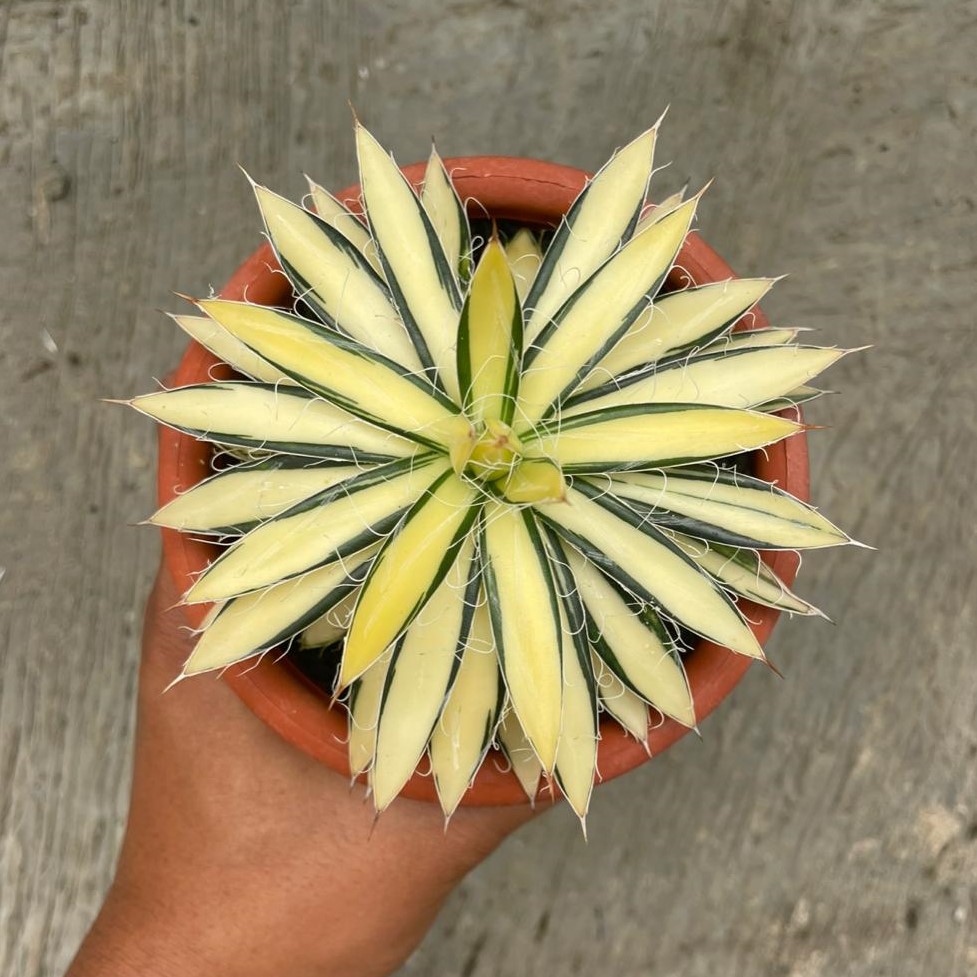
NAWAPLANT.COM — Architects and landscape designers across Europe and North America constantly search for plants that balance structural drama with climate resilience.
While the global market traditionally turns to the arid nurseries of Mexico or the southwestern United States for succulent varieties, a quiet geographic shift captures the attention of elite botanical designers.
Cultivators now produce premium Agave from Lembang Indonesia, transforming how the international horticultural community views high-altitude tropical cultivation.
Lembang, nestled in the volcanic highlands of West Java, features a microclimate that alters the physical development of succulent species.
This specific environmental blueprint offers substantial advantages for global buyers who seek exceptional plant specimens.
The Volcanic Altitude Advantage of West Java Cultivation
Most designers associate the genus Agave with flat, desert lowlands. However, the unique topography of Lembang challenges this biological assumption.
Sitting at an altitude of over 1,200 meters above sea level, Lembang combines rich, porous volcanic soil with cool highland temperatures and consistent tropical rainfall.
This specific combination forces the plant to adapt in visually striking ways. The frequent mist and lower night temperatures slow down the growth rate of the succulent.
This slower development cycle produces an exceptionally dense cellular structure within the leaves, which gives the plant a distinct structural advantage.
When global landscape architects procure premium volcanic soil Agave varieties, they invest in specimens that possess a much higher structural integrity than those grown rapidly in lowland greenhouse environments.
Furthermore, the natural mineral wealth of the local volcanic ash provides an abundance of silica and potassium.
These minerals strengthen the outer cell walls of the rosette, creating a natural armor. Consequently, these plants display a remarkable resistance to mechanical damage during long-distance international transit.
Why Global Designers Prioritize High-Altitude Tropical Succulents
Modern landscape architecture increasingly demands flora that can withstand unpredictable weather shifts while maintaining a pristine geometric form.
The unique conditions of the Indonesian highlands fulfill this demand through several distinct physical characteristics:
- Enhanced Frost Tolerance Through Acclimatization: Because night temperatures in the West Java mountains drop significantly, these plants naturally develop a resilience to cold shocks. This makes them highly adaptable to the shifting shoulder seasons of temperate Western climates.
- Vibrant Leaf Pigmentation: The intense ultraviolet radiation at high altitudes forces the plant to produce protective pigments. This process results in deeper blues, crisper silvers, and more pronounced marginal teeth along the leaf edges.
- Compact Geometric Symmetrical Growth: The combination of cool mountain air and rich soil prevents the plant from stretching out. Instead, it maintains a tight, structurally perfect rosette that retains its form for decades.
When sourcing materials for high-end projects, international buyers specifically look for resilient highland Agave for temperate climates. This variation ensures that the investment survives the transition from a tropical archipelago to a sophisticated urban garden in London or New York.
Integrating Indonesian Succulents into Modern Minimalist Landscapes
The clean lines of contemporary architecture require plants that function as living sculptures. The sharp, architectural silhouette of the Lembang specimens provides the perfect organic counterweight to concrete, steel, and glass structures.
Landscape professionals increasingly utilize these mountain-grown succulents as primary focal points in water-conservative designs.
The plant handles prolonged dry spells with ease, yet its tropical highland origin allows it to manage sudden, heavy downpours without experiencing the immediate root rot that plagues desert-grown varieties. This dual capability makes it an invaluable asset for urban bioswales and modern rooftop gardens.
To maximize visual impact, designers position these rosettes against monochromatic backdrops. The deep, rich coloration achieved through volcanic cultivation creates a striking contrast that immediately draws the eye, defining the pathways and boundaries of outdoor spaces.
Essential Acclimatization Practices for Western Horticulturalists
Successfully integrating these premium specimens into a new environment requires a clear understanding of their biological background.
Navigating the transition smoothly involves following a logical sequence:
- Substrate Composition Simulation: Replicate the sharp drainage of West Java volcanic fields by mixing coarse pumice, expanded clay, and composted bark.
- Gradual Light Exposure: Transition the plant from transport containers to full outdoor sunlight over a period of ten days to prevent sudden leaf scorch.
- Moisture Stabilization: Provide regular, deep watering during the initial spring root establishment phase, then reduce watering significantly once the root system anchors into the new soil.
Investing in durable landscape succulents from Lembang yields the best results when the local curator respects the high-altitude origin of the plant. Proper care during the initial weeks guarantees a lifetime of structural elegance.
The Evolution of Sustainable Plant Procurement
As the international design community shifts toward smarter, climate-conscious choices, the geographic origins of plant material matter more than ever.
The unique mountain nurseries of West Java prove that exceptional, resilient succulents can emerge from unexpected tropical highlands.
By choosing these robust specimens, architects ensure their landscapes remain vibrant, structured, and timeless for generations to come.
