

Skip the European Brokers, Why You Should Buy Ornamental Plants in Bulk from Indonesia
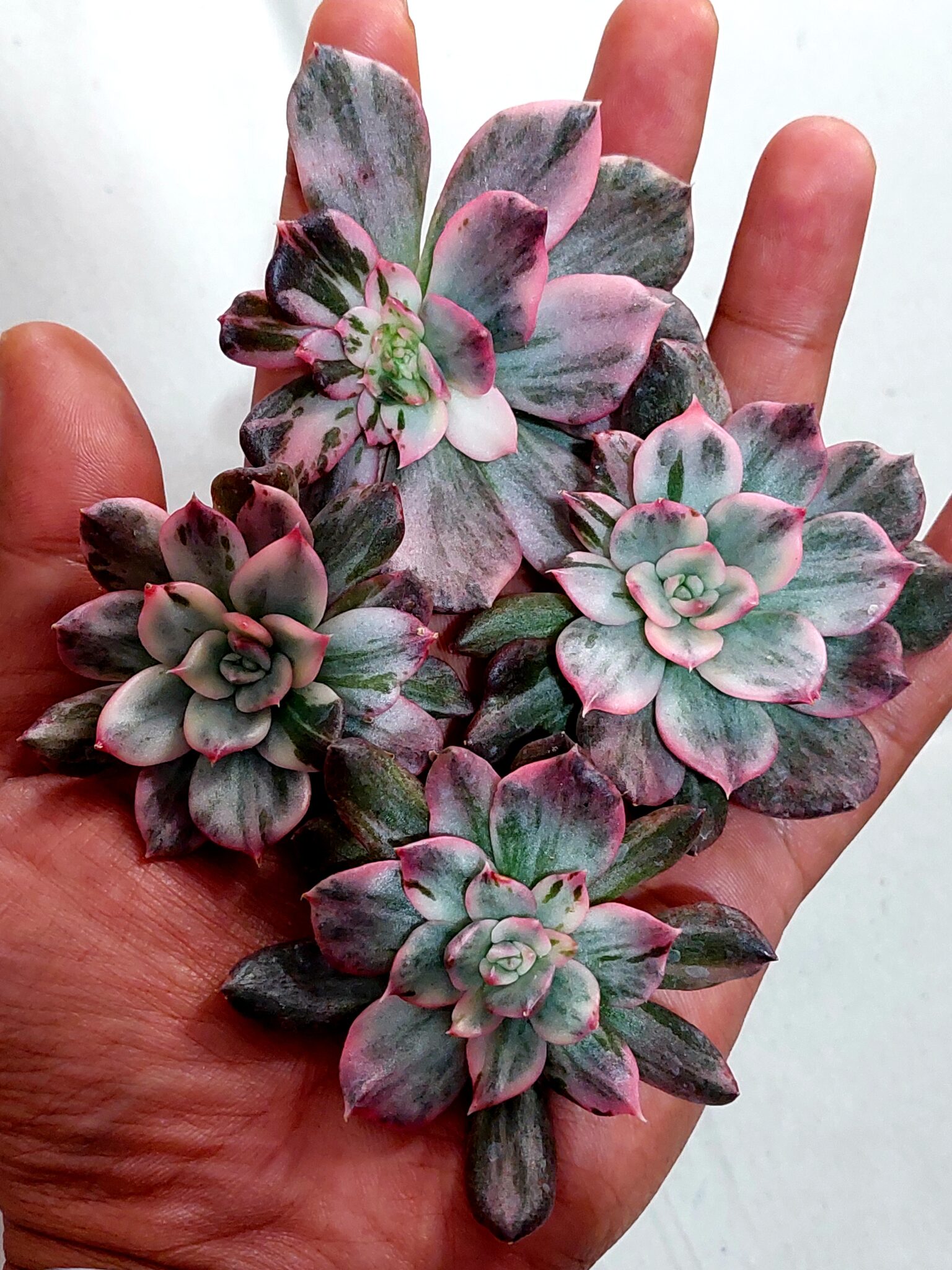
The global indoor plant market continues to expand as urban centers prioritize biophilic architecture and green commercial spaces. While many international distributors rely on traditional regional hubs, savvy horticultural enterprises are shifting their focus directly to Southeast Asia.
Indonesia, an archipelago harboring over 30,000 unique plant species, represents the ultimate frontier for sourcing premium tropical foliage.
Navigating the complexities of international botanical logistics requires a sophisticated approach. This comprehensive guide outlines the operational framework necessary to acquire premium tropical species directly from Indonesian nurseries, ensuring consistency, compliance, and commercial viability.
The Strategic Value of Indonesian Aroids and Exotics
Commercial nurseries and large-scale landscapers require more than just visually striking inventory; they demand genetic resilience and variety. Indonesia offers an unparalleled evolutionary breeding ground for highly sought-after plant families, particularly Araceae.
When enterprises look to buy ornamental plants in bulk from Indonesia, they are not merely purchasing inventory. They are investing in robust specimens cultivated in optimal equatorial conditions. The natural high humidity and consistent volcanic soil quality of Java, Sumatra, and Bali produce root systems that are significantly more resilient than those grown in artificial European greenhouses.
Key Target Cultivars for Global Distributors:
* Variegated Alocasia (e.g., Alocasia Macrorrhiza Variegata)
* Rare Scindapsus and Epipremnum mutations
* Premium Philodendron variants (e.g., Philodendron Billietiae)
* Acclimated Anthurium species with complex leaf textures
Distributors who master this supply chain secure a significant market advantage, bypass middle-tier European brokers, and maximize their profit margins.
Compliance and Legal Importation
The most critical barrier in large-scale botanical sourcing involves strict international biosecurity frameworks. Beginners often fail to realize that customs clearance depends entirely on paperwork perfection rather than plant quality.
To import wholesale tropical plants from Jakarta legally, buyers must strictly follow the protocols established by the Indonesian Agricultural Quarantine Agency (Barantan). Every single shipment must carry a valid Phytosanitary Certificate proving the consignment is free from regulated pests, soil pathogens, and invasive nematodes.
Essential Documentation Checklist:
* Phytosanitary Certificate issued by Barantan Indonesia
* Export Permit from the Indonesian Ministry of Trade
* CITES Certificate (if importing protected species like specific orchids or cycads)
* Import Permit issued by the destination country’s agricultural authority (e.g., USDA or EFSA)
Furthermore, international regulations strictly prohibit the transport of raw soil. Indonesian exporters must clean the roots completely and pack the specimens in sterile media, such as high-grade sphagnum moss or coconut coir dust, before dispatch.
How to Verify Reliable Wholesale Plant Nurseries in Java
The digital marketplace contains numerous fraudulent brokers pretending to own large-scale cultivation facilities. Serious B2B buyers must distinguish between small-scale collectors and genuine commercial growers who can sustain high-volume demand.
When looking to find verified Indonesian botanical exporters, focus your search on key agricultural hubs. The regions surrounding Mount Salak in Bogor, West Java, and the highlands of Malang, East Java, host the highest concentration of professional export nurseries. These areas feature established infrastructure, including tissue culture laboratories and automated acclimatization houses.
Criteria for Selecting a B2B Botanical Partner:
* Ownership of a dedicated export license (NIB and explicit agricultural export permits)
* Proven capability to fulfill minimum order quantities (MOQ) exceeding 1,000 units per shipment
* Access to climate-controlled packing facilities near major international airports
* Transparent communication regarding tissue culture versus division propagation
Conducting on-site audits or hiring local agricultural inspectors remains the safest method to verify production capacity before transferring large financial deposits.
Air Freight vs. Ocean Freight for Tropical Flora
Transporting living organisms across continents presents a unique thermodynamic challenge. A single day of extreme temperature exposure can destroy an entire container of premium foliage. Therefore, choosing the correct transit methodology dictates your eventual survival rate.
For high-value, rare varieties, air freight represents the industry standard. Utilizing air transport minimizes transit times to 48 or 72 hours, drastically reducing the duration plants spend in complete darkness. When shipping via air, ensure your exporter utilizes major logistics hubs like Soekarno-Hatta International Airport in Jakarta, which features dedicated cold-chain storage facilities for perishable cargo.
Comparison of Sourcing Logistics:
* Air Freight: Best for rare aroids, low transit time, higher cost per unit, lower acclimation mortality rate.
* Ocean Freight (Reefer Containers): Best for hardy palms or ficus, 21 to 35 days transit, strict humidity control needed, requires substantial post-arrival rehabilitation.
If you choose refrigerated ocean containers for massive landscaping projects, maintain a strict temperature setting of 15 to 18 degrees Celsius, alongside a constant relative humidity level of 70 percent to prevent dehydration.
Managing Post-Transit Shock in Western Greenhouses
The international supply chain journey does not end when the shipment clears customs. The moment the plants arrive at your commercial greenhouse, they enter the most vulnerable phase of their lifecycle: post-transit stabilization.
Freshly imported plants spend days in dark, pressurized cargo holds, causing them to deplete their carbohydrate reserves. To successfully acclimate bulk Indonesian indoor plants, growers must recreate an equatorial microclimate while gradually introduces the specimens to local atmospheric conditions.
Step-by-Step Commercial Acclimation Sequence:
1. Unboxing and Inspection: Immediately unpack specimens, check root integrity, and remove any yellowing foliage caused by shipping stress.
2. Hydration: Submerge the root systems in tepid water infused with Vitamin B1 or seaweed extract for 30 minutes to stimulate cellular recovery.
3. High Humidity Isolation: Place the plants in an isolation greenhouse with 85 to 90 percent humidity and diffused, indirect lighting.
4. Medium Transition: Pot the specimens into an open, highly porous substrate consisting of perlite, pumice, and pine bark to prevent root rot.
5. Gradual Hardening: Over a period of four to six weeks, slowly reduce humidity levels to match standard retail environments.
Proper execution of this protocol keeps mortality rates below 5 percent, protecting your capital investment and ensuring the retail readiness of the inventory.
Financial Securities and Sustainable B2B Purchasing
International trade involving perishable goods carries inherent financial risks. Crop failures, flight delays, or sudden customs inspections can disrupt supply lines. Establishing robust contractual agreements with your Indonesian partners mitigates these vulnerabilities.
Always utilize secure payment structures, such as a Letter of Credit or milestone-based bank transfers tied to verifiable Bill of Lading documentation.
Additionally, prioritize exporters who practice sustainable harvesting. The global market increasingly rejects poached jungle plants. Sourcing exclusively from nurseries that specialize in nursery-propagated or tissue-cultured specimens protects the Indonesian rainforest and enhances your corporate brand reputation.
Building a resilient, direct supply chain to Indonesia transforms your botanical inventory from a standard retail offering into a premium, highly competitive asset class. By choosing the right partners, mastering the legal protocols, and perfecting the acclimation process, your enterprise secures a sustainable foothold in the lucrative global green economy.
